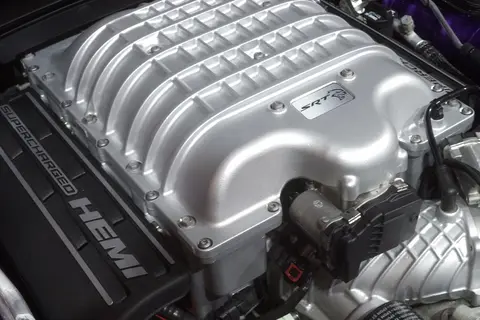
Cold air intakes and tunes for HEMI cars: what really adds power
Intakes, exhausts, tunes and pulleys: an honest look at which bolt-ons make measurable power on HEMI Chargers, Challengers and Rams, and what they cost you.
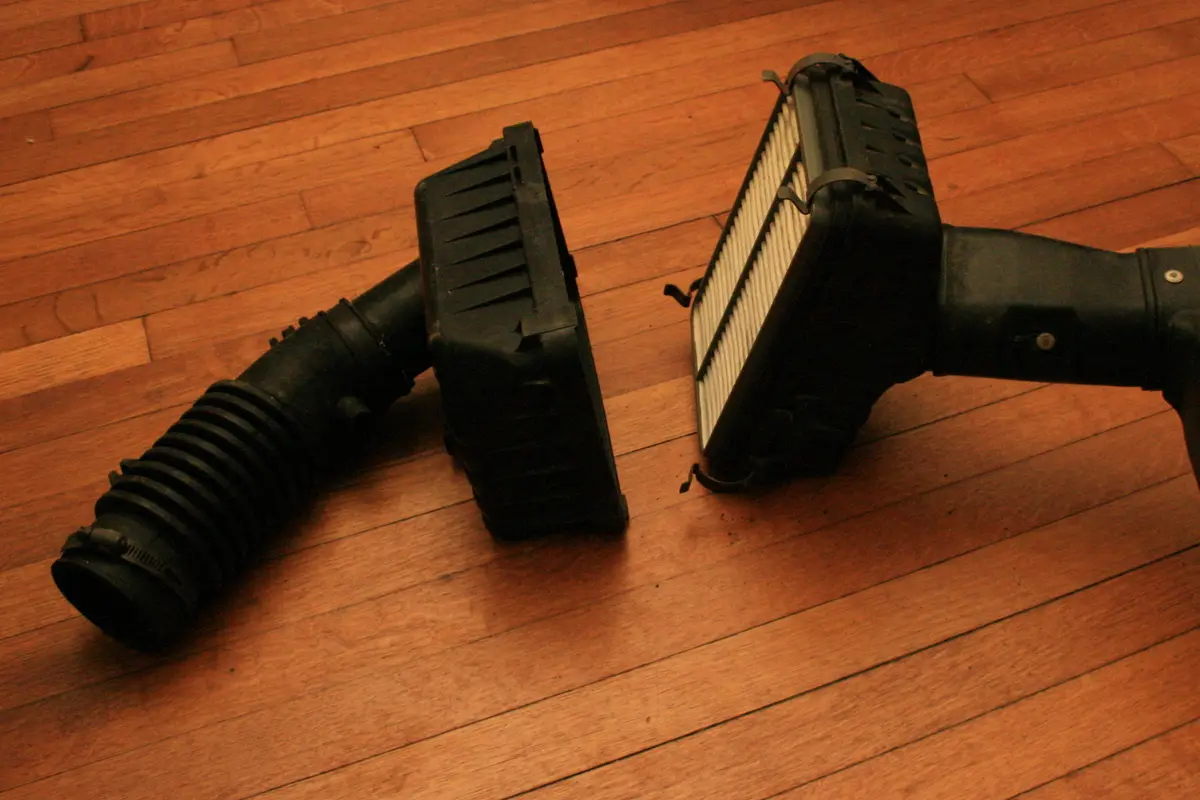
The first modification most HEMI owners consider is a cold air intake. It’s affordable, it sounds great, and the box promises horsepower. Here’s what to expect from the common bolt-ons, based on how these engines work rather than marketing claims.
Cold air intakes
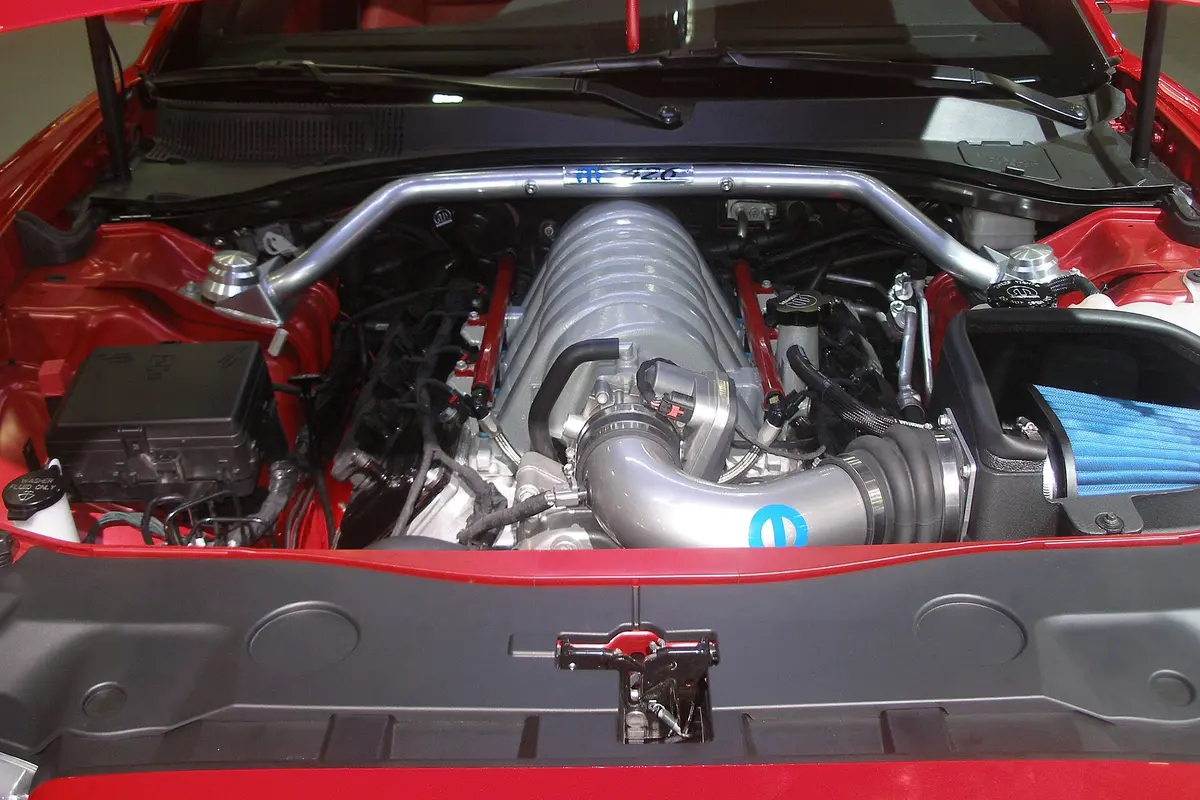
A HEMI’s factory intake is already fairly efficient. Many Scat Pack and SRT cars have functional hood scoops or air-catcher headlamps feeding cool air to the airbox. An aftermarket intake can:
- Add induction sound, which is the biggest change most owners notice
- Add a small amount of power, often single-digit horsepower on a stock engine
- Make more difference with a tune, because the engine computer can then take advantage of increased airflow
Things to watch:
- Oiled filters: over-oiling can contaminate the mass airflow (MAF) sensor on engines that use one.
- Heat soak: an open-element filter in a hot engine bay can pull in hotter air than the factory box.
- Check-engine lights: changes in airflow readings can trigger codes without a matching calibration.
Tunes
A tune (recalibrating the engine and transmission computers) is where measurable gains come from: spark timing, fuel, throttle response, shift points and torque management. On naturally aspirated HEMIs, gains are moderate. On supercharged engines with a smaller pulley, they can be substantial.
Things to know before tuning:
- Late-model Mopar engine computers are locked and may require an unlocked controller or a specific unlock process.
- A tune can affect your powertrain warranty coverage for related failures.
- Emissions compliance matters. In California and other states that follow its rules, aftermarket parts that affect emissions need a CARB Executive Order (EO) number to be street legal.
Exhaust
Cat-back exhausts change sound with little power change on most cars. Headers and high-flow catalytic converters can add more, but removing or replacing catalytic converters on a street car is generally illegal under federal law and many state laws, and it will trigger emissions codes. Factory active exhaust systems on SRT cars already open up under throttle.
The order we recommend
- Maintenance first. Fresh plugs, correct oil, a clean throttle body and healthy ignition coils. A HEMI with worn plugs leaves power on the table. See why your HEMI has 16 spark plugs.
- Tires. On a 485-hp Scat Pack or a 707-hp Hellcat, traction limits acceleration more than horsepower does.
- Brakes and cooling if you track the car. More in our Brembo upgrade guide.
- Then intake, exhaust and a calibration, as a matched package.
Driver-side upgrades count too
For many owners, the most satisfying “performance” upgrade isn’t on the engine at all. It’s the parts they touch. A custom carbon fiber steering wheel with paddle shifters changes how the car feels every time you drive it. Read our paddle shifter and shift light guide.
Questions about a specific part or calibration? Ask the parts desk. We’ll tell you honestly whether it’s worth it.