Hellcat, Redeye, Demon: what separates Dodge's supercharged cars
Hellcat, Redeye, Demon, Super Stock and Jailbreak explained: power, hardware differences and what they mean for parts and ownership.
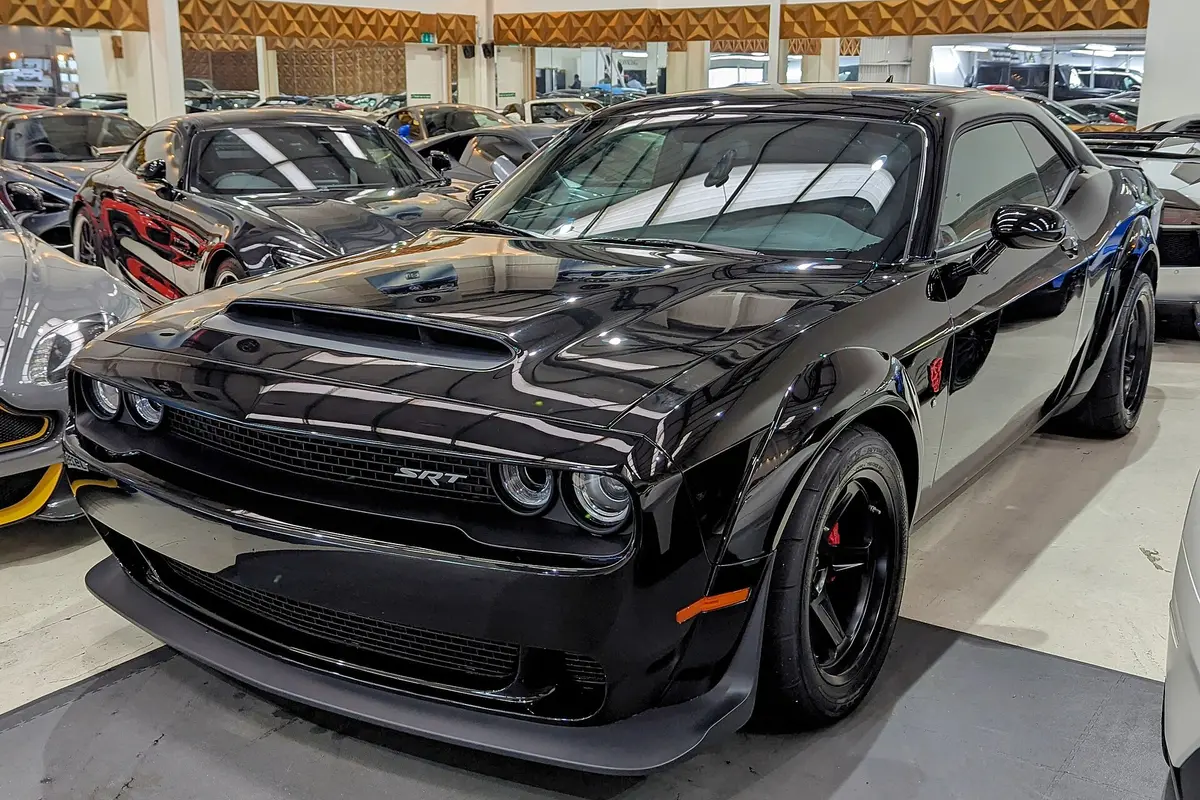
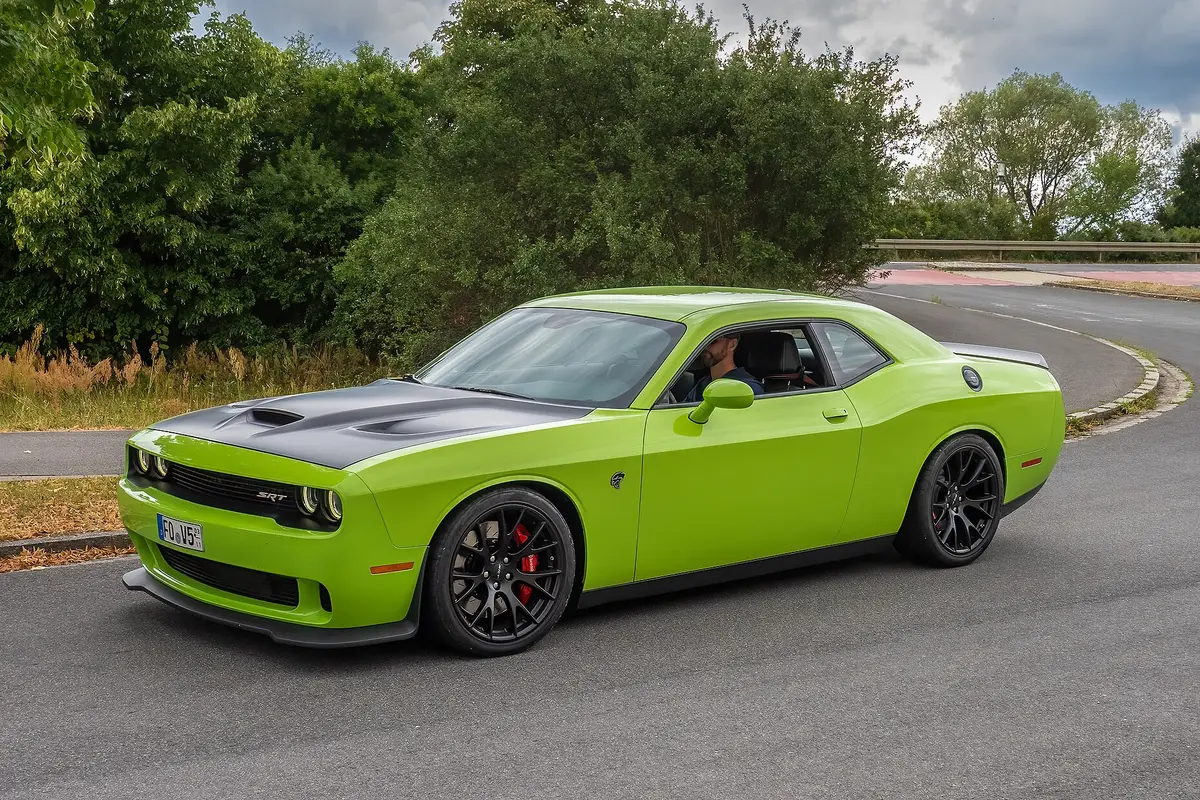
From 2015 to 2023, Dodge built a series of supercharged V8 cars that redefined what a factory muscle car could do. The names can be confusing, especially since many share the same body. Here’s how they differ.
The lineup
| Model | Years | Headline output | Defining hardware |
|---|---|---|---|
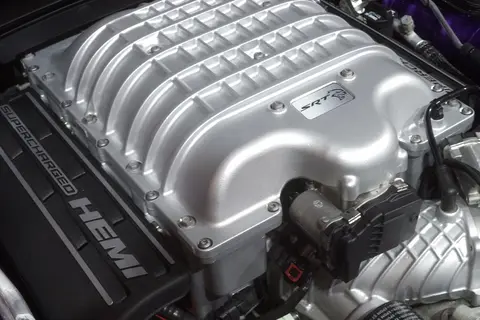
| SRT Hellcat | 2015–2023 | 707 hp at launch (later 717 hp in the Challenger) | 6.2 supercharged HEMI with a 2.4 L supercharger |
| SRT Hellcat Redeye | 2019–2023 | 797 hp (later 807 hp in some versions) | Larger 2.7 L supercharger, Demon-derived internals |
| SRT Demon | 2018 | 808 hp on pump fuel, 840 hp on high-octane race fuel | Drag-focused: drag radials, TransBrake, many lightweight changes |
| SRT Super Stock | 2020–2023 | 807 hp | Redeye power with a drag-oriented suspension and tire package |
| SRT Demon 170 | 2023 | Up to 1,025 hp on E85 | Final edition, built for the drag strip |
| Jailbreak | 2022–2023 | Hellcat and Redeye variants | Lets buyers mix normally exclusive colors, trims and badges |
The Charger got Hellcat, Redeye and Jailbreak versions. The Demon and Super Stock were Challenger-only. Outputs are manufacturer ratings.
What’s actually different under the skin
Hellcat vs Redeye. The Redeye is more than a tune. It uses the larger supercharger and many internal parts developed for the Demon, such as strengthened connecting rods and pistons, plus higher fuel-system capacity and a higher redline. Many Redeye engine parts don’t match a standard Hellcat.
Demon. The Demon was engineered for the drag strip: drag radial tires, a TransBrake, a drag-tuned suspension and a long list of weight-saving deletions. Many Demon-specific parts are unique and some are scarce.
Widebody. From 2018–2019, Widebody packages added fender flares, wider wheels and tires and wider track. Widebody body parts don’t interchange with standard-width cars. See our body panel ordering guide.
Ownership and parts
All of these cars share the realities of high-output supercharged engines:
- Two cooling circuits, including the charge-air cooler circuit. See our coolant guide.
- Supercharger drive belt, tensioner and idlers are wear items.
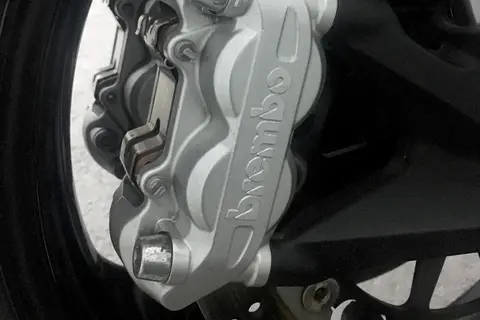
- Tires and brakes wear fast. Six-piston Brembos and big two-piece rotors are standard on most, so read our Brembo guide.
- Driveline: half shafts, differential and transmission fluids work much harder than in an R/T.
- Insurance and theft prevention: these cars are frequent theft targets. Consider extra security.
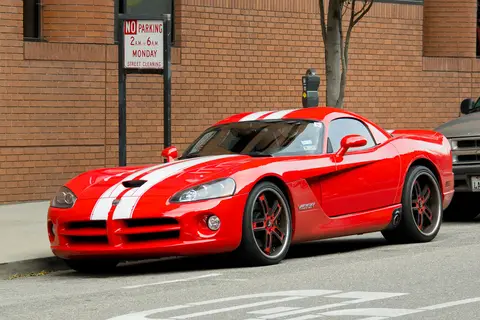
The same supercharged engine family powers the Ram 1500 TRX. And if you want the earlier, even rarer Dodge halo car, read our Viper ownership guide.
Interior details
Hellcat-family cars got their own steering wheels, seats, badging and red key fobs, and many owners personalize the cabin further. Our carbon fiber steering wheels for Dodge are listed by year range and include versions with LED shift lights and paddle shifters. See the paddle shifter guide.
Buying one used?
Check the build sheet against the car. Badges and parts can be swapped, so the VIN is the only reliable record. Our used Charger and Challenger inspection checklist has a section on supercharged cars. For the engines themselves, see 5.7 vs 6.4 vs 6.2 Hellcat.