How to spot counterfeit or gray-market auto parts
Fake filters, sensors and ignition parts are more common than most buyers realize. The warning signs and how to verify a part before installing it.
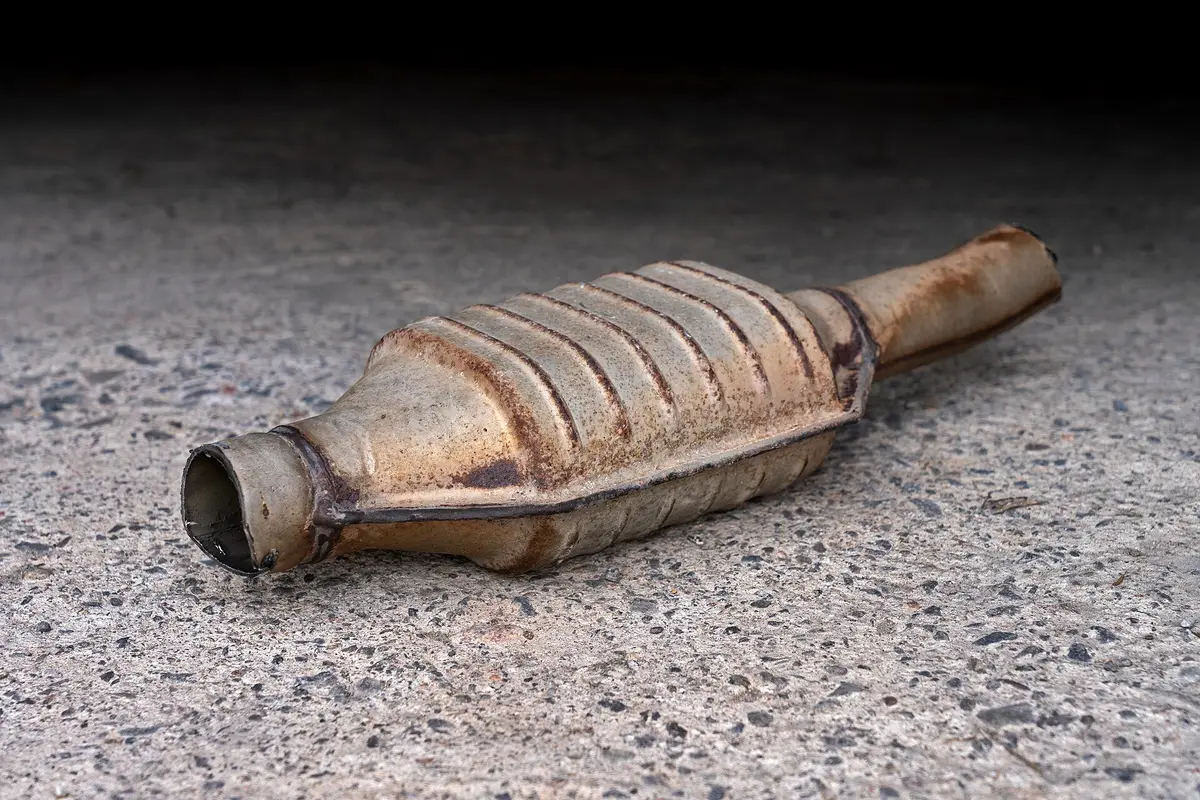
Counterfeit auto parts are a real problem, and they aren’t limited to luxury brands. Copies of filters, ignition coils, sensors, brake parts and even airbags circulate online, often in packaging that’s hard to tell from the real thing. Here’s how to protect yourself.
Parts most often counterfeited
- Oil and air filters: cheap to copy, sold in high volume
- Ignition coils and spark plugs
- Sensors (oxygen, crankshaft and camshaft position, ABS)
- Brake pads
- Airbags and other safety equipment, which is dangerous
- Emblems and badges
Warning signs
Price that’s too good
If a “genuine” part costs far less than every other legitimate source, ask why. Big discounts on high-demand genuine parts are a red flag.
Packaging details
- Blurry printing, spelling mistakes or off colours
- Missing or poorly applied labels
- Part number label that doesn’t match the part stamped or printed on the part itself
- Generic, unsealed or re-taped boxes
The part itself
- Lighter weight than the old part
- Rough castings, poor plastic moulding or flash on edges
- Missing markings, date codes or part numbers that the original has
- Connectors that fit loosely or differ from the original
Gray-market and “pulled” parts
Not every non-new part is fake. Some are used parts pulled from vehicles, or genuine parts intended for another market. These can be legitimate if they’re described honestly, but:
- Used electronic modules may need programming or may be locked to another VIN.
- Export-market parts may differ in calibration, labeling or emissions specifications.
- Used safety parts, especially airbags, should never be reused from unknown sources.
How to verify a part
- Match the part number. Compare the number on the part and box with the old part and with the factory catalog. Our guide to Mopar part numbers explains supersessions, so a newer suffix isn’t automatically a fake.
- Compare side by side with the old part before installing.
- Buy from sellers who show part numbers clearly and publish real contact details and return policies.
- Keep packaging and receipts until you’re sure the part works.
How we handle it
Pure Mopar lists every part by its manufacturer part number, kept separate from our internal SKU, and labels representative product photos as such. If something you receive doesn’t match the listing, contact us. We cover return shipping when an item is incorrect, under our returns policy.
For more on choosing between factory and aftermarket, read OEM vs aftermarket parts.