Battery light on? Testing the alternator and charging system
Dim lights, slow cranks and a battery warning can mean the battery, the alternator or the cables. A simple test sequence before you buy parts.
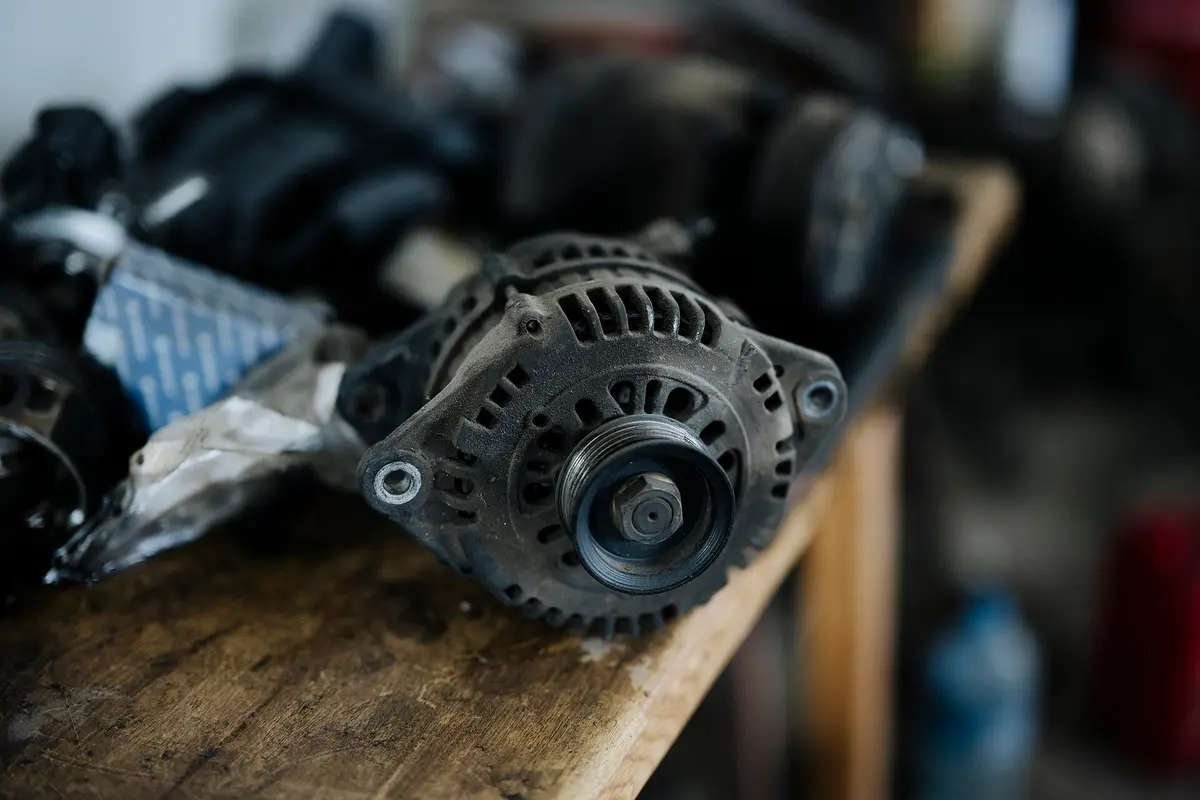
A battery warning light, dim headlights or a slow crank all point to the charging system, which is the battery, the alternator and the cables that connect them. Each part can fail in a way that looks like the others, so a few minutes of testing saves money.
What each part does
- Battery: starts the engine and buffers the electrical system.
- Alternator: recharges the battery and powers the vehicle while the engine runs. On modern Mopars, the engine computer controls its output.
- Cables and grounds: carry the current. A corroded or loose cable acts like a resistor and causes problems that look like a bad battery or alternator.
Tools you need
A digital multimeter. Many parts stores will also load-test a battery for free.
The test sequence
1. Battery resting voltage. With the engine off for at least an hour:
| Reading | Meaning |
|---|---|
| 12.6 V or more | Fully charged |
| About 12.4 V | Roughly 75% charged |
| 12.2 V or less | Discharged. Charge it and retest. |
A battery that reads well but cranks slowly may have a weak cell. A load test confirms that.
2. Charging voltage. Start the engine and measure across the battery terminals. On most vehicles, expect roughly 13.5 to 14.8 volts, varying with temperature and electrical load. Modern Mopar systems vary the target voltage, so short dips aren’t automatically a fault. Consistently under 13 volts with loads on suggests an alternator or wiring problem.
3. Voltage drop on the cables. This is the test most people skip. While cranking or with heavy loads on, measure:
- from the battery positive post to the alternator output stud, and
- from the battery negative post to the engine block.
More than a few tenths of a volt means resistance in the cable or connection. Clean it or replace the cable.
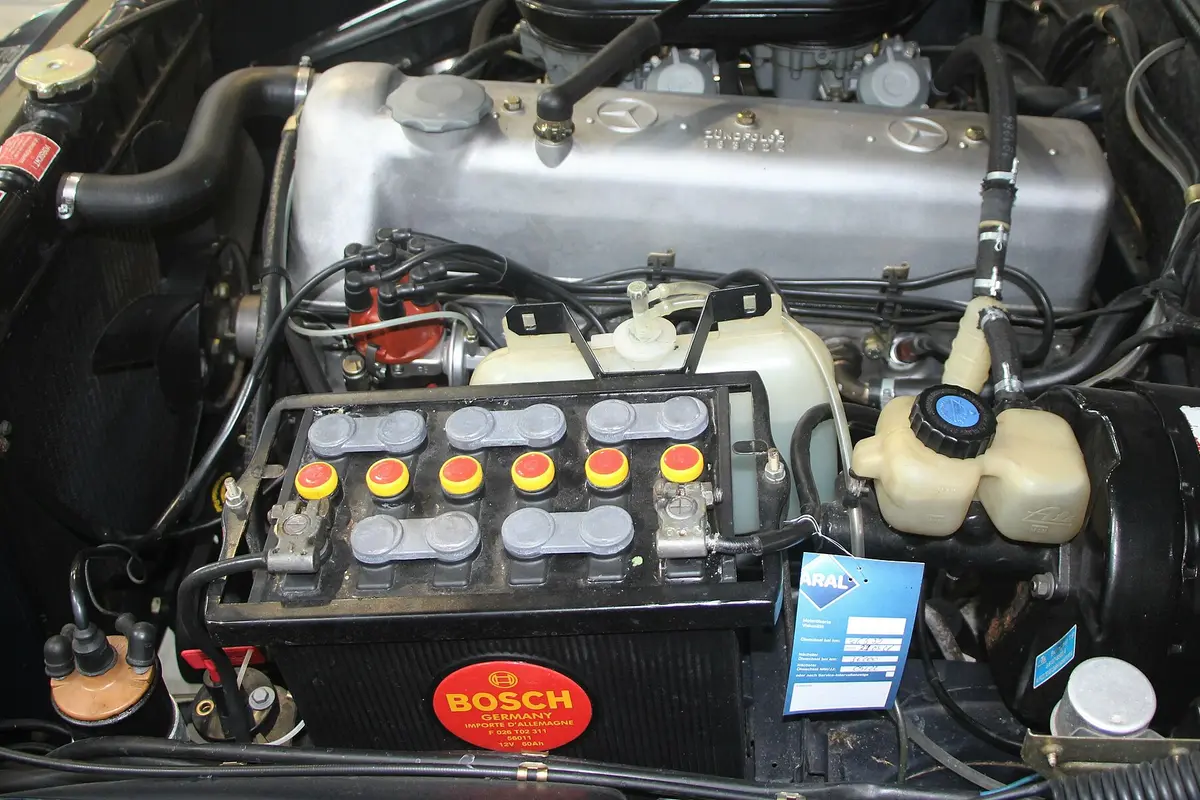
Ram trucks and battery cables
Ram pickups, especially those used in salt states or with two batteries (common on Cummins diesels), are known for corroded battery cables and ground connections. Corrosion creeps under the insulation, so a cable can look fine at the terminal and still be bad. Symptoms include intermittent no-crank, flickering dash lights and random electrical warnings. We stock positive and negative battery cables by exact part number for each model and engine.
Alternator failure signs
- Battery light or “charging system” message
- Headlights that dim at idle and brighten with RPM
- Whining noise that changes with engine speed
- Burning smell (a slipping belt or an overheating alternator)
- A battery that keeps going flat even when new
Inspect the serpentine belt and tensioner before condemning the alternator. A slipping belt can’t drive the alternator properly.
eTorque and newer trucks
On 2019-and-later Ram 1500 trucks with eTorque, a belt-driven motor-generator replaces the conventional alternator and works with a 48-volt battery. These systems have their own diagnostics and safety procedures. Leave them to qualified technicians.
Batteries and modules
Low voltage can also make modules behave strangely. On 2007–2012 vehicles, it’s worth reading our TIPM guide before replacing an expensive module. Getting ready for cold weather? See the winter prep checklist.